A regular walk can fit neatly into life when the weather is mild. Then the temperature drops, the footpath is wet, daylight disappears earlier and the front door becomes considerably less inviting.
You do not need to prove your determination by marching through every downpour. The useful goal is to keep some movement in your week while adapting the time, route, clothing and length of the walk to the conditions.
Cold means different things in different places. A brisk Victorian morning, a damp British winter and a snowy Canadian afternoon require different precautions. Check the actual conditions where you are, including wind, rain, ice, visibility and how the temperature feels—not just the number on a weather app.
Two Minute Read
- Check the weather, daylight and surface conditions before leaving.
- Wear light layers that can be adjusted, plus comfortable footwear with reliable grip.
- Begin more slowly than usual and allow your body time to warm up.
- Shorten the route or choose a sheltered, well-lit and familiar alternative.
- Wet, icy, very windy or extremely cold conditions are sensible reasons to walk indoors instead.
- Stop if you develop chest discomfort, unusual breathlessness, dizziness, weakness or another concerning symptom.
- A shorter walk still counts; consistency does not require identical walks all year.
Change the plan before abandoning it
When the usual walk looks unappealing, the choice is not limited to doing it exactly as planned or staying still all day.
Try adjusting one part of it:
- Go later, once the temperature has risen or paths have dried.
- Choose a shorter loop close to home.
- Use a route with better lighting, shelter and maintained footpaths.
- Walk for ten minutes rather than thirty.
- Split one longer walk into two brief outings.
- Arrange to walk with someone else.
This is not taking the easy option. It is making the activity repeatable.
Australian movement guidance encourages regular activity and less prolonged sitting, but it does not require every active minute to happen outdoors. The route, pace and duration can change while the habit remains intact.
Dress for movement, not for standing still
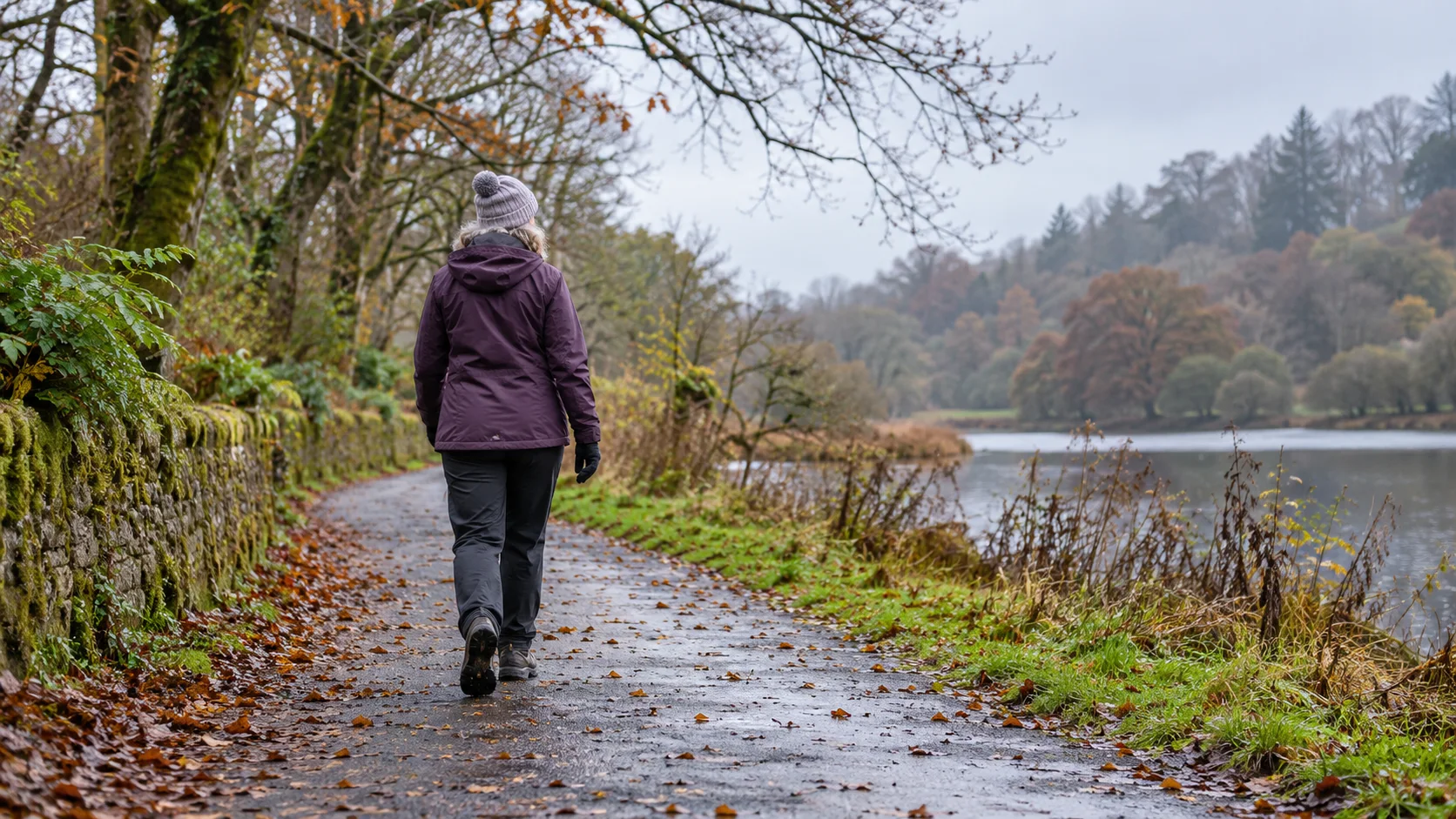
Several light layers are generally more useful than one very heavy layer. They trap warmth but can be removed if you become hot and sweaty.
A practical combination might include:
- a comfortable base layer;
- a warmer middle layer; and
- a light outer layer that blocks wind or rain.
In genuinely cold conditions, add gloves and something to keep your head and neck comfortable. Damp clothing increases heat loss, so a waterproof outer layer matters when rain or wet snow is likely.
Avoid wrapping up so heavily that you are already hot before you begin. Sweating can leave you damp and colder later. If you expect the walk to become brisk, choose layers you can open, remove or carry.
Footwear deserves more attention than fashion on a wet morning. Choose shoes or boots that fit securely, feel supportive and have soles with useful tread. Worn, smooth soles may be comfortable indoors while offering little grip on wet leaves, mud or slick paving.
Give yourself time to warm up
Cold muscles and joints may feel less willing at the beginning of a walk. Start at an easy pace for the first few minutes rather than stepping outside and immediately trying to match your fastest summer speed.
You can also move gently indoors before leaving: walk around the house, march comfortably on the spot or make a few easy ankle and shoulder movements. The aim is simply to shift from rest to activity gradually.
Once outside, use the talk test to judge the pace. At a moderate effort, you should usually be able to talk but not sing. That is only a general guide; prescribed exercise limits or advice from your healthcare team take priority.
Slow down again near the end rather than stopping abruptly, particularly after a brisk walk.
Treat the ground as part of the weather
The air temperature may be manageable while the surface underfoot is not.
Watch for:
- wet leaves hiding uneven paving;
- puddles that conceal holes or kerbs;
- mud on paths and grass;
- frost and black ice;
- compacted snow;
- poorly lit steps; and
- road crossings with reduced visibility.
Choose cleared or gritted paths when they are available. Give yourself more time, keep your hands free where possible and avoid rushing across a slippery surface. If you use a walking aid, make sure its ferrule or tip is in good condition and suitable for the conditions.
A torch or phone light can help you see the ground, but a well-lit daytime route is often the better choice. Reflective details or a light-coloured outer layer can also make you easier for drivers and cyclists to see.
If ice is widespread, the safest walking plan may be an indoor one. No weekly target is improved by a fall.
Wind and rain can matter more than the temperature
Wind can make a cool day feel much colder and can affect balance, especially in exposed places. Rain soaks clothing, reduces visibility and changes the grip underfoot.
On a windy day, choose a sheltered route and avoid exposed ridges, coastal paths or areas with falling branches. If possible, begin by walking into a light wind and return with it behind you, so the harder section comes while you are fresh. Strong or gusty wind is a reason to change the plan entirely.
In rain, a shorter route with reliable paving may be more sensible than a favourite woodland track. Carrying an umbrella can occupy one hand and become awkward in wind; a hood or waterproof hat may suit some walkers better.
Know when cold weather needs extra care
Cold conditions can place additional strain on the heart and lungs. People with heart disease, lung conditions, circulation problems, diabetes or other long-term conditions may need individual guidance about suitable temperatures, pace and medication.
Speak with an appropriately qualified healthcare professional before changing your activity if you have been advised to limit exercise, are recovering from illness or a cardiac event, have a high risk of falls, or are uncertain what is safe for your condition.
During a walk, stop and seek appropriate medical help if you experience chest pain or pressure, unusual or severe breathlessness, faintness, new weakness, confusion or another concerning symptom. Follow any condition-specific emergency plan already given to you.
Shivering, poor coordination, slurred speech, confusion and unusual drowsiness can be warning signs of hypothermia. Move to warmth and seek urgent help according to local guidance.
Keep an indoor version of the habit
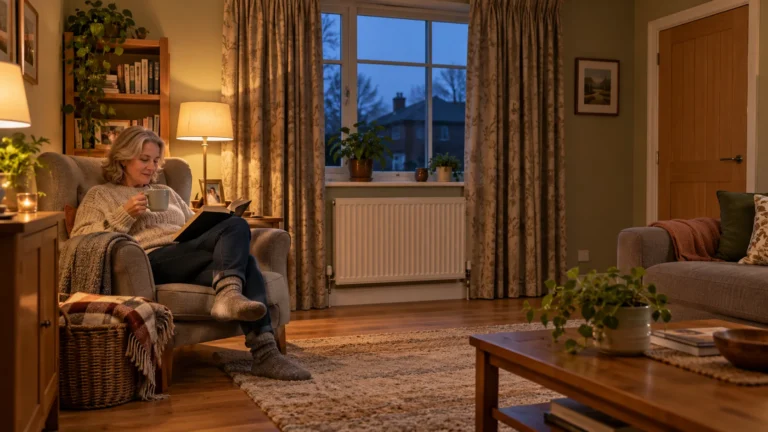
An indoor alternative prevents one bad week of weather from deciding the rest of the month.
Options include:
- walking inside a shopping centre, community building or covered market;
- using corridors or stairs where this is permitted and safe;
- moving around the house during television or radio breaks;
- dancing to a few songs;
- doing active housework; or
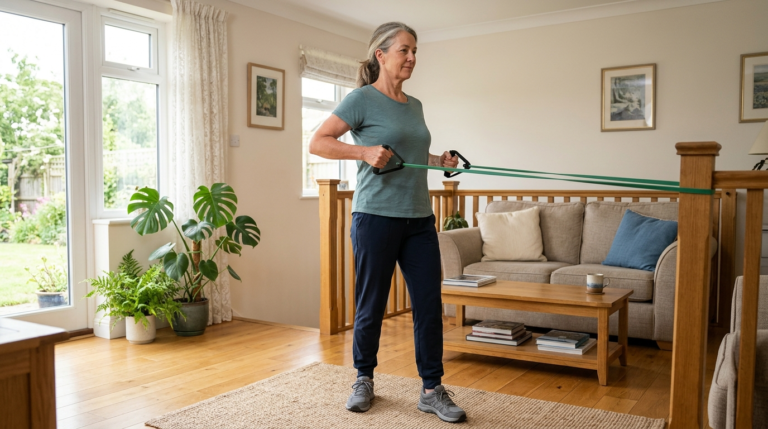
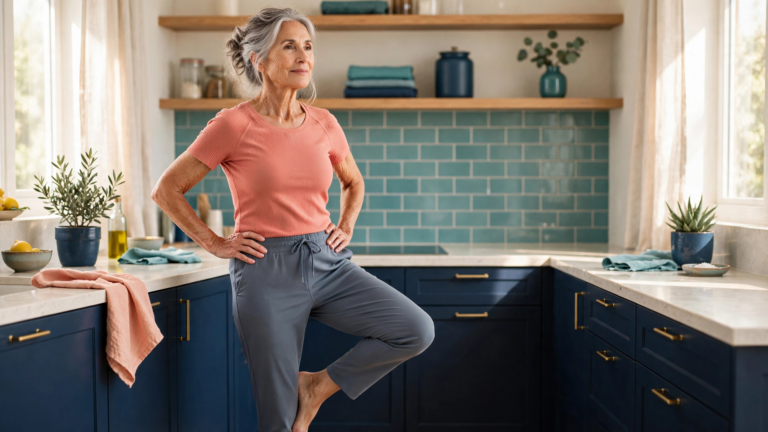
- following a suitable home walking or movement session.
Indoor movement does not need to imitate the outdoor walk perfectly. Its job is to keep you moving until conditions improve.
If you want a broader indoor routine, WellAheadLife’s guide to how much strength training you really need explains how manageable strengthening activity can support everyday movement without requiring a complicated gym programme.
Make the restart easy
When several walks are missed, people often decide they must compensate with a long or demanding outing. That can make restarting harder than it needs to be.
Return with the smallest version of the habit: ten minutes, a familiar route and an easy pace. Add time or speed only if it feels comfortable. A walk does not become worthwhile only after a particular distance.
There is no prize for getting soaked, slipping on ice or turning a pleasant habit into a test of toughness. Movement should support the life you want to lead, not punish you for living somewhere with weather.
Key Takeaways
- Adapt the route, time, pace or length before giving up the walking habit entirely.
- Layer clothing so you can stay warm without becoming wet with sweat.
- Footwear, visibility and the condition of the ground matter as much as temperature.
- Begin and finish gradually, particularly when the weather is cold.
- Very cold, wet, windy or icy weather may make indoor activity the better choice.
- Health conditions and prescribed exercise limits require individual advice.
- Restart modestly after a break instead of trying to make up for missed walks.
👣
One Small Step
Choose one indoor place or activity that can serve as your bad-weather walking substitute. Write it beside your usual walking plan so you do not need to invent an alternative when the rain has already started.
Sources & Further Reading
- Australian Government Department of Health, Disability and Ageing — Recommendations for older adults
- Australian Government — Physical activity and sedentary behaviour guidelines: tips and ideas for older Australians
- American Heart Association — How to stay active in cold weather
- West Midlands Ambulance Service — Cold weather advice
- University Hospitals Sussex — Exercise safely in extreme weather
A Note About Your Health
The information provided in this article is intended for educational and informational purposes only and should not be considered medical advice. It is not a substitute for professional diagnosis, treatment or advice from a qualified healthcare provider.
Always consult your doctor or another appropriately qualified health professional before making significant changes to your diet, exercise routine, medication, supplements or lifestyle, particularly if you have an existing medical condition or take prescription medication.