Heart-healthy eating is often presented as a new diet full of rules, specialist ingredients and foods that must never pass your lips again.
That can make the whole subject feel more disruptive than helpful. Familiar meals may have fed you, comforted you and connected you with other people for decades. They do not suddenly become nutritionally worthless because somebody has given the eating plan a fashionable new name.
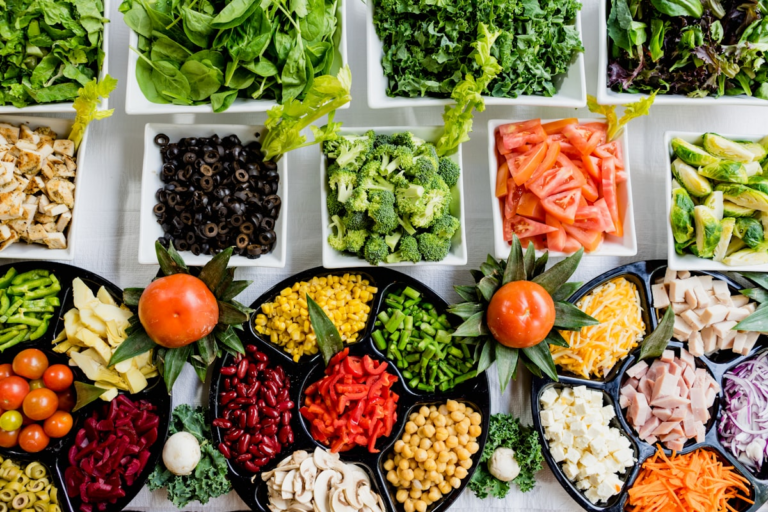
The strongest guidance is less dramatic. What matters most is the overall pattern: more vegetables, fruit, pulses and whole grains; healthier sources of fat; and less salt, added sugar and heavily processed food.
Your meals may need adjusting—not abandoning.
Two Minute Read
- Heart-healthy eating is an overall pattern, not a perfect menu or collection of miracle foods.
- Keep familiar meals and look for practical ways to add vegetables, pulses, whole grains or fruit.
- Replace some saturated fats with unsaturated fats rather than trying to remove all fat.
- Much of the salt people consume is already present in packaged foods, sauces, seasonings and processed meats.
- Beans, lentils and other pulses provide fibre and can replace part of the meat in many familiar dishes.
- Frozen and canned foods can be useful, affordable choices; check for added salt and sugar where labels are available.
- Begin with one meal you eat regularly instead of attempting to change your entire diet at once.
Look at the pattern rather than one plate
One rich meal does not ruin an otherwise balanced way of eating. Equally, adding a handful of fashionable seeds to breakfast cannot compensate for every other meal.
Research into cardiovascular health increasingly considers dietary patterns because foods are not eaten in isolation. Reviews generally associate patterns rich in vegetables, fruit, whole grains, pulses, nuts and unsaturated fats with better cardiovascular outcomes.
This does not mean everybody must adopt the cuisine of one particular country. The World Health Organization says healthy diets can take many forms depending on culture, locally available foods, preferences and circumstances. Its four broad principles are adequacy, balance, moderation and diversity.
That leaves room for maize, rice, potatoes, bread, noodles, plantain, couscous or other familiar staples. The useful questions are what accompanies them, how they are prepared and what appears across the week.
Add before you begin taking everything away
Nutrition advice often starts with restriction. A more manageable approach is to ask what could be added to make a familiar meal more balanced.
You might:
- Add beans or lentils to a stew, soup, curry or minced-meat dish
- Include an extra vegetable in a sauce, casserole or stir-fry
- Serve fruit with breakfast or as part of a snack
- Add a side of vegetables or salad to a meal that currently has none
- Replace part of a refined grain with a whole-grain version
- Use unsalted nuts or seeds as one possible topping or snack
This is not sleight of hand. Adding fibre-rich foods can naturally change the balance of the plate without demanding that you reject everything you already enjoy.
Increase fibre gradually if your current intake is low, and drink enough fluid. A sudden large increase can cause digestive discomfort. Anyone advised to restrict fibre or fluid for a medical reason should follow their individual clinical guidance.
Let plants occupy more of the meal
Vegetables, fruit, pulses and whole grains contribute fibre along with a range of vitamins, minerals and other compounds. They also bring variety in flavour, colour and texture.
There is no single vegetable with exclusive responsibility for heart health. Variety is more useful than chasing whichever ingredient is currently receiving the most attention online.
Affordable options count:
- Fresh produce that is plentiful locally
- Frozen vegetables and fruit without added sauces or sugar
- Canned vegetables, beans and pulses with lower salt where available
- Dried beans, peas and lentils
- Whole-grain versions of familiar staples
- Produce that is slightly imperfect but still wholesome
If canned beans contain added salt, draining and rinsing them can reduce some of it. Labels and formulations differ between countries, so compare products when useful alternatives are available rather than searching for a universally perfect number.
Choose fats by type, not simply by quantity
Fat is an essential part of the diet. The type of fat matters.
WHO guidance recommends replacing saturated and industrially produced trans fats with unsaturated fats where practical. Depending on local availability and affordability, sources of unsaturated fat can include:
- Olive, canola, sunflower, soybean or other unsaturated plant oils
- Nuts and seeds
- Avocado
- Fish
Saturated fat is found in varying amounts in foods such as fatty meat, butter, ghee, lard, cream, some cheeses, coconut oil and palm oil. You do not necessarily need to remove every one of these foods. More realistic changes might include using a little less, eating some of them less frequently or replacing part of them with an unsaturated alternative.
For example:
- Trim visible fat from meat when appropriate
- Use beans or lentils to replace some meat in a mixed dish
- Grill, steam, roast or stew more often instead of routinely deep-frying
- Use a suitable unsaturated oil instead of butter or hard fat for some cooking
- Choose a smaller portion of a rich ingredient while keeping the rest of the meal familiar
A replacement matters. Simply removing fat without considering what takes its place does not automatically improve a meal.
Find the salt that is already there
The salt shaker is only part of the picture. Bread, processed meats, stock cubes, packet soups, sauces, seasoning blends, snack foods, cheese and ready-made meals can all contribute significant amounts of sodium.
The Heart and Stroke Foundation South Africa recommends limiting salt from all sources and using ingredients such as herbs, spices, garlic and lemon juice to provide flavour.
Practical options include:
- Taste food before adding salt at the table
- Use a little less stock powder, seasoning or salty sauce
- Compare similar packaged products where clear labels are provided
- Choose unsalted nuts when available
- Replace some processed meat with eggs, fish, poultry, beans or lentils
- Build flavour with herbs, spices, citrus, garlic, ginger, onion or vinegar
Do not expect your palate to change overnight. Reducing salt gradually may be more acceptable than producing one unexpectedly bland dinner and declaring the experiment over.
Some salt substitutes contain potassium and are unsuitable for certain people, including some with kidney conditions or those taking particular medicines. Ask an appropriate healthcare professional before using one if you are uncertain.
Make room for pulses
Beans, peas, chickpeas and lentils are useful heart-healthy ingredients because they provide plant protein and fibre. They are also widely available in different forms and culinary traditions.
They do not have to become the entire meal. Try using them to extend familiar dishes:
- Add lentils to a meat-based sauce
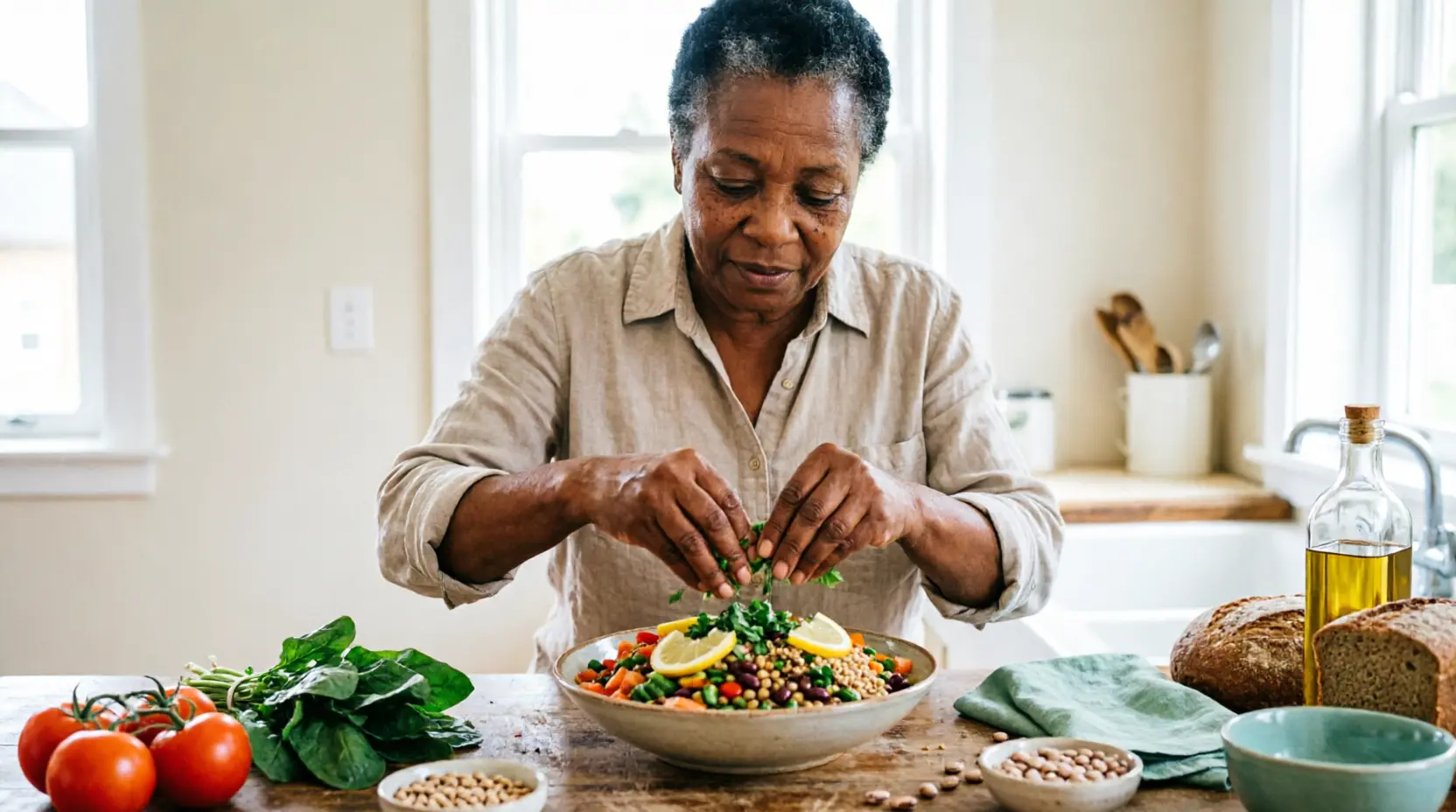
- Include beans in soups, stews or salads
- Mash beans into patties or fillings
- Add chickpeas to a curry or tray of roasted vegetables
- Serve a smaller portion of meat alongside a pulse-based side dish
Dried pulses are often economical but require soaking or longer cooking. Canned versions cost more in some places but save time and energy. The nutritionally superior ingredient is not especially useful if it remains in the cupboard because preparing it feels like unpaid employment.
Keep pleasure and culture on the plate
Food has roles that cannot be measured solely in grams of fibre or saturated fat. It carries memory, hospitality, religious meaning, family tradition and ordinary pleasure.
A heart-conscious way of eating should be able to accommodate celebration foods and favourite dishes. Possible adjustments include:
- Serving a rich dish less often rather than banning it
- Changing the balance of what accompanies it
- Reducing one ingredient without making the dish unrecognisable
- Keeping a smaller portion and enjoying it without guilt
- Leaving recipes alone when the occasion matters and returning to the usual pattern afterwards
Food does not need a moral label. “Good” and “bad” are poor descriptions of meals and even poorer descriptions of the people eating them.
Be cautious with heart-health shortcuts
Products marketed for heart health may be convenient, but a claim on the front of a packet does not tell you everything about the product.
Likewise, supplements cannot be assumed to provide the same benefits as an overall balanced diet. Some can interact with medicines or be unsuitable for particular conditions.
Be especially cautious of products promising to:
- Clean arteries
- Reverse heart disease rapidly
- Replace prescribed medication
- Lower cholesterol without any need for professional advice
- Produce guaranteed results from one ingredient
Do not stop or alter prescribed medication because of dietary advice. If you have cardiovascular disease, diabetes, kidney disease, swallowing difficulties, unexplained weight change or other nutritional concerns, ask a doctor or registered dietitian for guidance suited to your circumstances.
Start with the meal you eat most often
Trying to change breakfast, lunch, dinner, snacks and shopping habits simultaneously creates a great deal of work. It also makes it difficult to know which changes are genuinely sustainable.
Choose one meal that appears regularly in your week and examine it without judgement:
- Could it include another vegetable?
- Would beans or lentils fit naturally?
- Is there a whole-grain alternative you actually like?
- Could some saturated fat be replaced with an unsaturated source?
- Which salty ingredients contribute most of the flavour?
- Would a different portion balance work better?
Keep the changes that make sense. Discard those that make the meal expensive, joyless or needlessly complicated.
Heart-healthy eating is not a temporary performance. It is a pattern you have a reasonable chance of living with.
Key Takeaways
- Overall eating patterns matter more than individual “superfoods” or occasional indulgent meals.
- Familiar and culturally important foods can remain part of a heart-conscious diet.
- Add vegetables, fruit, pulses and whole grains rather than beginning with a long list of prohibitions.
- Replace some saturated fat with unsaturated alternatives where practical.
- Check packaged foods, sauces and seasonings for salt instead of focusing only on the salt shaker.
- Affordable frozen, canned and dried ingredients can all contribute to balanced meals.
- Seek individual professional guidance when dietary changes may affect a medical condition, medication or treatment.
👣
One Small Step
Choose one meal you eat most weeks and identify one manageable addition or substitution that would make its overall balance more supportive of heart health.
Sources & Further Reading
- World Health Organization: Healthy diet
- World Heart Federation: Healthy diet and heart health
- Heart and Stroke Foundation South Africa: Healthy eating
- USDA Nutrition Evidence Systematic Review: Dietary patterns and cardiovascular disease
- Systematic review and meta-analysis: Diet quality and cardiovascular outcomes
A Note About Your Health
The information provided in this article is intended for educational and informational purposes only and should not be considered medical advice. It is not a substitute for professional diagnosis, treatment or advice from a qualified healthcare provider.
Always consult your doctor or another appropriately qualified health professional before making significant changes to your diet, exercise routine, medication, supplements or lifestyle, particularly if you have an existing medical condition or take prescription medication.